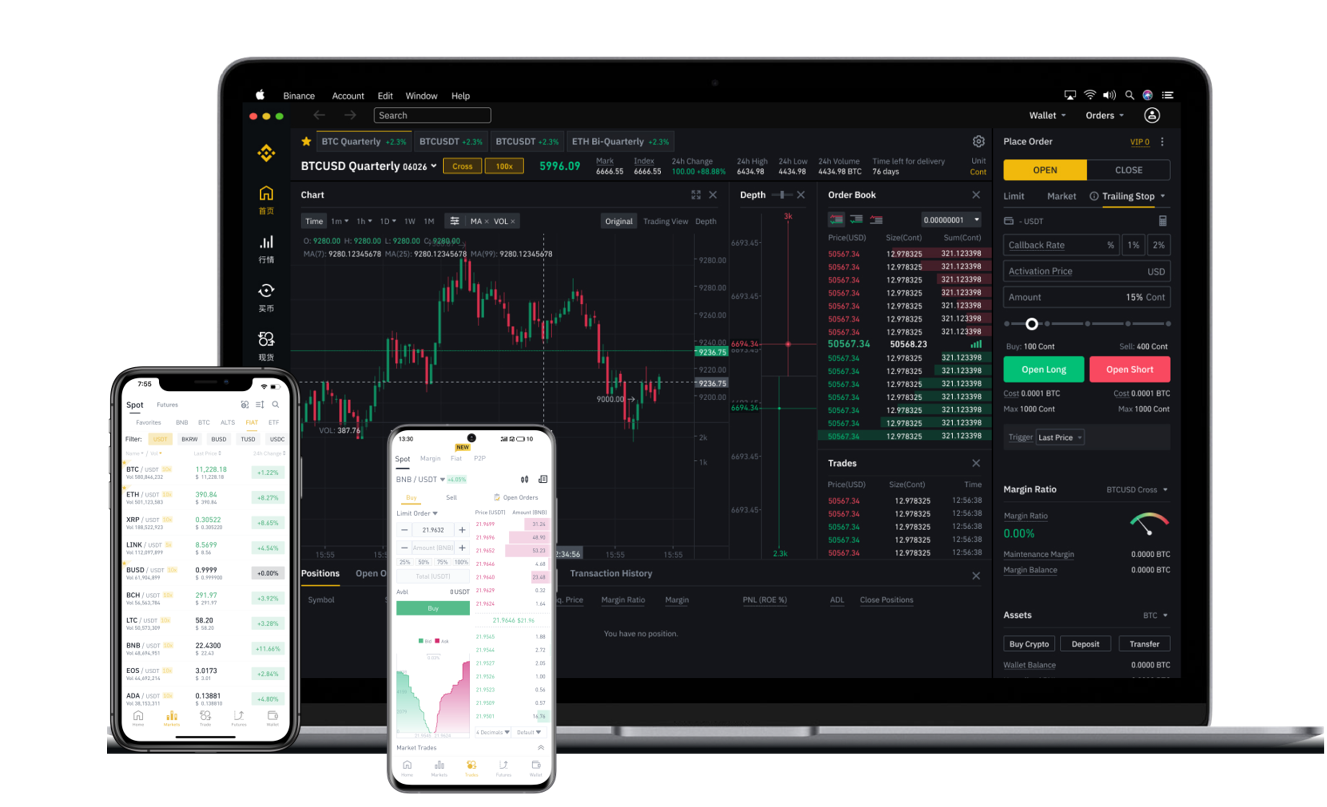


Navigating the world of cryptocurrency trading begins with understanding how to move your funds in and out of an exchange. Binance, being one of the largest and most versatile crypto platforms globally, offers multiple deposit and withdrawal options. Whether you are a new user making your first purchase or an experienced trader managing a portfolio, knowing the correct procedures is essential for security and efficiency.
1. Depositing Funds into Binance
To deposit funds, log into your Binance account and navigate to the “Wallet” section, then select “Fiat and Spot.” Click on the “Deposit” button. You will be presented with two main choices: depositing cryptocurrency or fiat money (such as USD, EUR, or GBP). If you choose cryptocurrency, select the coin you want to deposit, such as Bitcoin or USDT. Binance will generate a unique deposit address and a corresponding QR code. Always double-check that you are sending the correct network (e.g., BEP-20, ERC-20) to avoid losing funds. If you prefer fiat deposit, Binance supports bank transfers, credit/debit cards, and third-party payment services like Advcash. The process may require identity verification (KYC) and can take a few minutes to several business days, depending on the method.
2. Withdrawing Funds from Binance
Withdrawing funds is equally straightforward. Go to “Wallet” and then “Withdraw.” You can withdraw cryptocurrency or fiat currency. For crypto withdrawals, enter the recipient’s wallet address and the amount. Again, selecting the correct network is crucial to ensure the transaction reaches its destination. Binance may also require a memo or tag for certain tokens like XRP or EOS. For fiat withdrawals, choose your preferred currency and payment method, which typically includes bank transfers or card payouts. Withdrawal fees vary depending on the currency and network used. Binance often applies security measures such as 2FA verification and withdrawal whitelisting to protect your assets.
3. Important Security Tips for Every Transaction
Before confirming any transaction, always review the details carefully. A common mistake is sending funds to the wrong address or using an incompatible network, which can result in permanent loss. Enable Two-Factor Authentication (2FA) on your account to add an extra layer of protection. Additionally, consider using Binance’s “Address Whitelist” feature, which only allows withdrawals to pre-approved addresses. When converting large amounts, start with a small test transaction to verify that everything works correctly.
4. Common Issues and How to Resolve Them
Users sometimes face delays in deposit or withdrawal processing. This can be due to network congestion, incorrect memo/tag entries, or failure to pass the security checks. If your transaction is stuck for an unusually long time, first check the status on the blockchain explorer. If the issue persists, contact Binance support with the transaction ID. For fiat transactions, ensure your bank account details match your Binance account name to avoid rejection by the banking system.
5. Conclusion
Mastering the deposit and withdrawal process on Binance is a foundational skill for any crypto trader. By following the steps outlined above—verifying wallet addresses, selecting the correct network, and enabling security features—you can move your assets with confidence. As the market evolves, Binance frequently updates its payment options, so staying informed through the official platform notices is always a wise practice.