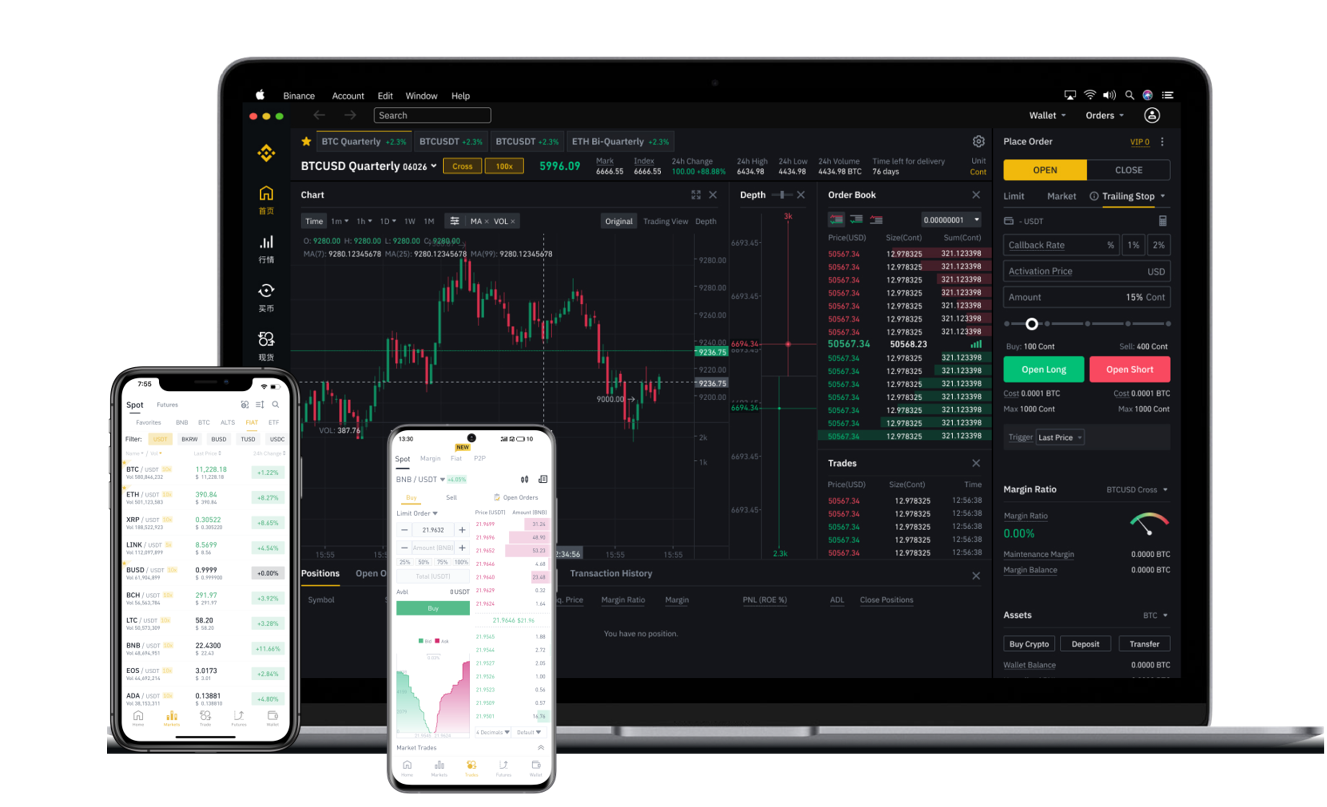
As cryptocurrency trading continues to gain mainstream traction, Binance has emerged as one of the largest and most popular exchanges globally. For newcomers, searching for "Binance tutorial" is often the first step toward understanding how to buy, sell, and store digital assets. However, a critical question arises: Is a Binance tutorial safe? The short answer is yes, but only if you take the right precautions and use reliable sources. This article will break down the risks, the best practices, and how to distinguish a safe tutorial from a malicious one.
First, it is essential to understand what a "Binance tutorial" typically covers. These guides often walk users through account registration, two-factor authentication (2FA) setup, deposit methods, spot trading, and withdrawal processes. Legitimate tutorials come from official Binance channels, well-known crypto educators, or verified YouTube content creators. A safe tutorial will never ask for your private keys, password, or seed phrase. If a video or article requests your login credentials or asks you to download an unknown software, it is almost certainly a phishing attempt.
One of the most common dangers in the crypto space is the spread of fake tutorials designed to steal funds. Scammers often create websites designed to look like the official Binance homepage, or they share links to malicious "tutorial" files that contain keyloggers. To ensure your safety, always bookmark the official Binance website (binance.com) and avoid clicking on ads or sponsored links when searching for tutorials. Additionally, double-check the URL before entering any personal information. A trustworthy Binance tutorial will also emphasize the importance of enabling security features like the anti-phishing code and whitelisting withdrawal addresses.
Another factor to consider is the platform hosting the tutorial. YouTube is a common source, but it is not immune to fake streams or fake support accounts. A safe Binance tutorial will have a high number of genuine positive engagements, a verified account badge (if available), and a history of educational content. Do not trust tutorials that promise unrealistic returns, require you to send crypto to a certain address, or urge you to act immediately. Genuine educational content focuses on you learning to use the exchange yourself, not on handing over control.
Finally, the safest approach is to combine multiple resources. Start with the official "Learn & Earn" section on Binance itself, cross-check steps with reputable third-party crypto news sites, and always test with a small amount of funds before making large trades. By staying skeptical and informed, you can safely use a Binance tutorial to build your trading skills without falling victim to scams. Remember: a secure learning experience comes from verifying the source, never sharing your sensitive data, and prioritizing double-layer security measures.