
Navigating the world of cryptocurrency exchanges can feel overwhelming for new users. Two of the most prominent platforms globally are Binance and Huobi (now known as HTX in some regions). Understanding how to use these exchanges is essential for buying, selling, and trading digital assets securely. While both offer similar core functions, their interfaces and features have distinct differences. This guide provides a clear, step-by-step breakdown of how to use Binance and Huobi effectively.
Step 1: Account Registration and Security
Before you can trade, you need to create an account. For both Binance and Huobi, visit the official website or download the mobile app. Click "Register" and enter your email address or phone number. You will need to set a strong password. Immediately after registration, enable two-factor authentication (2FA) using Google Authenticator or SMS. This is critical for protecting your funds. For full access to trading features and higher withdrawal limits, both exchanges require identity verification (KYC). Prepare a government-issued ID and a clear photo of yourself for the process.
Step 2: Funding Your Account
To start trading, you need to deposit funds. On Binance, navigate to "Wallet" and then "Deposit." You can deposit cryptocurrencies directly or use fiat currency (like USD or EUR) via bank transfer, credit card, or peer-to-peer (P2P) trading. Huobi offers similar options: go to "Assets" and select "Deposit." Both platforms support a wide range of fiat gateways and stablecoins like USDT. Remember that crypto deposits require you to copy the correct deposit address for the specific coin you are sending.
Step 3: Understanding the Trading Interface
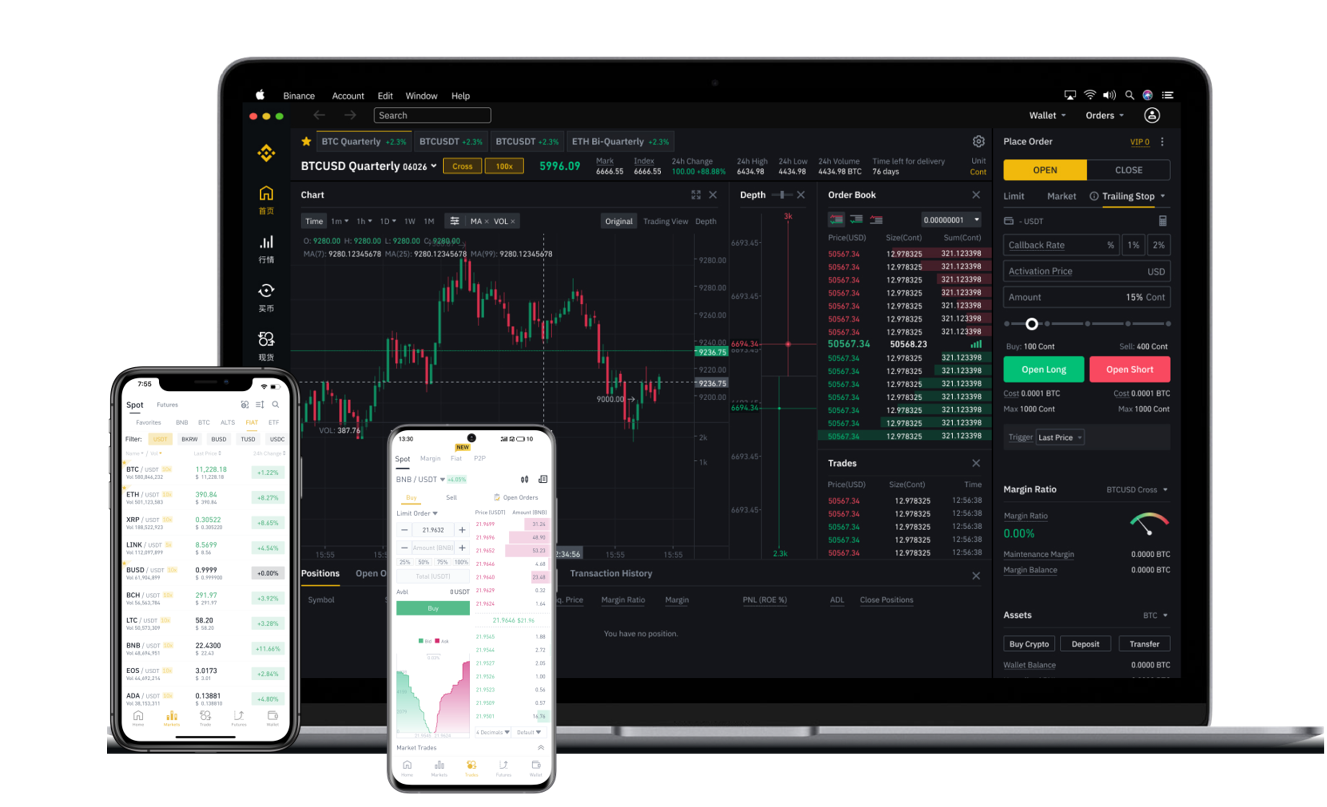
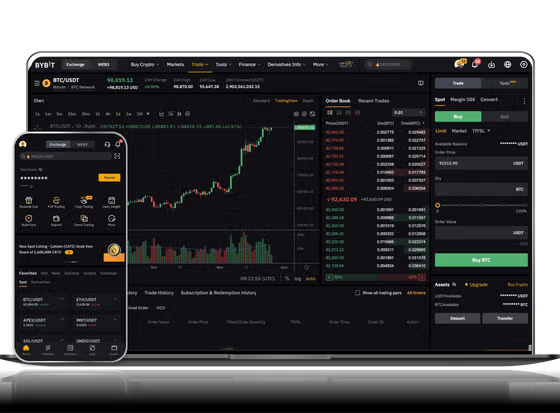
Once funds are in your wallet, you can trade. The core trading interface on both exchanges includes a price chart (usually from TradingView), an order book showing buy and sell orders, and the trading panel. On Binance, the classic interface is called "Exchange" and offers three main order types: Market (buy/sell at current price), Limit (set a specific price), and Stop-Limit (automated selling when price drops). Huobi's interface is very similar but uses terms like "Pro" version for advanced charts. For beginners, using the "Basic" or "Simple" mode on both platforms is recommended to avoid confusion.
Step 4: Placing Your First Trade
As a practical example, let’s say you want to buy Bitcoin (BTC) with USDT. First, find the BTC/USDT trading pair. On Binance, type "BTC" in the search bar and select BTC/USDT. In the trading panel, choose "Market" order. Enter the amount of USDT you want to spend (or the amount of BTC you want to buy), and click "Buy BTC." The order will execute instantly. On Huobi, the process is identical: search for the BTC/USDT pair, select Market order, enter the amount, and click "Buy." Both platforms will confirm the trade and the purchased Bitcoin will appear in your spot wallet.
Step 5: Withdrawing Funds
When you want to move your crypto to a personal wallet or sell back to fiat currency, use the "Withdraw" function. On Binance, go to "Wallet" > "Withdraw." Enter the recipient’s wallet address and the amount. Double-check the network (e.g., ERC20, BEP20) to ensure compatibility and avoid losing funds. Huobi’s withdrawal process is the same under "Assets" > "Withdraw." Both platforms will require 2FA confirmation and may have a security review period for large withdrawals.
Key Differences Between Binance and Huobi
While the basic usage is similar, there are nuances. Binance typically offers higher liquidity and a wider selection of altcoins. It also has a robust ecosystem including Binance Launchpad for new token sales. Huobi, rebranded as HTX, is known for its strong presence in Asian markets and its HTX token benefits (like trading fee discounts). Huobi’s interface sometimes feels more cluttered with numerous features, which can be daunting for absolute beginners. Binance’s "Lite" mode is generally considered more beginner-friendly. However, both platforms support futures trading, margin trading, and staking, but these are advanced features not recommended for first-time users.
Safety Tips for Both Exchanges
Always use the official URL. Phishing websites are common. Never share your private keys or 2FA codes. Start with a small deposit to test the withdrawal process before committing larger amounts. Use the "White List" feature (if available) to restrict withdrawals to only pre-approved addresses. Finally, keep most of your long-term holdings in a personal hardware wallet, not on the exchange. By following these steps and security practices, you can confidently use both Binance and Huobi for your cryptocurrency activities.